
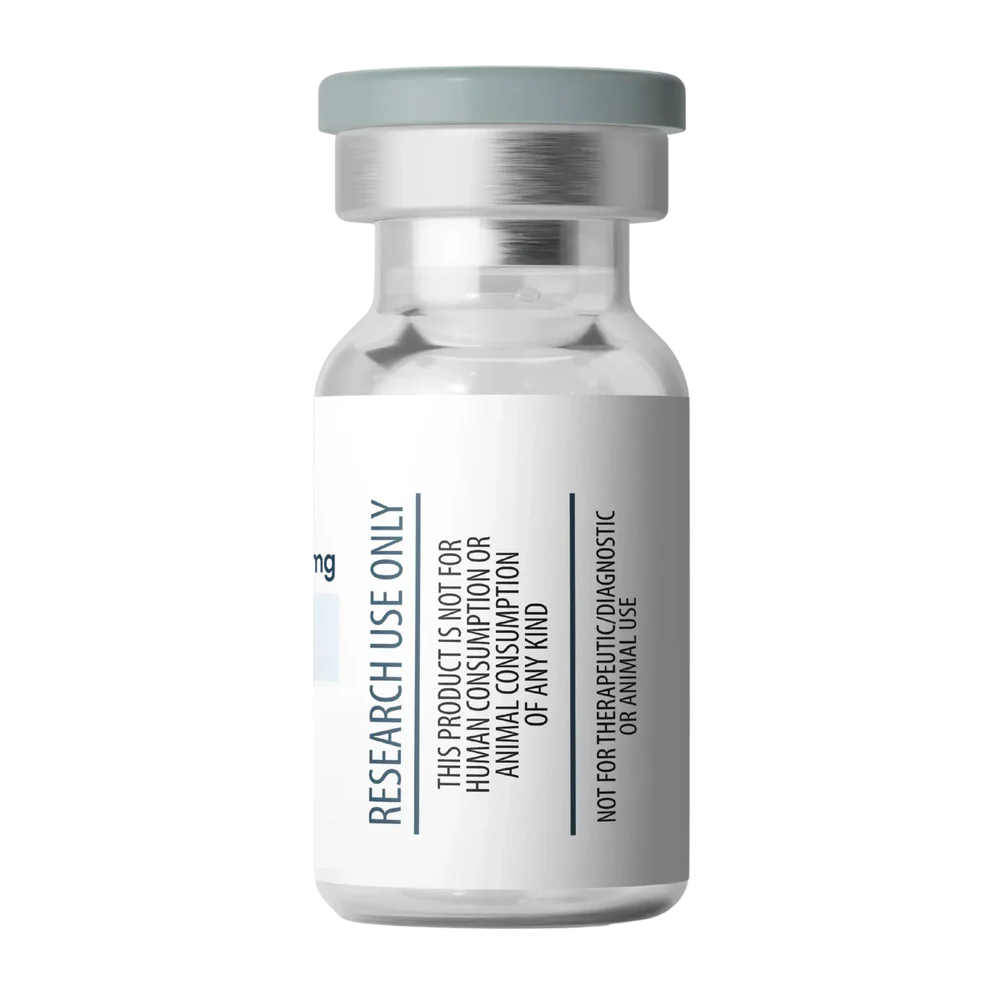
Semax
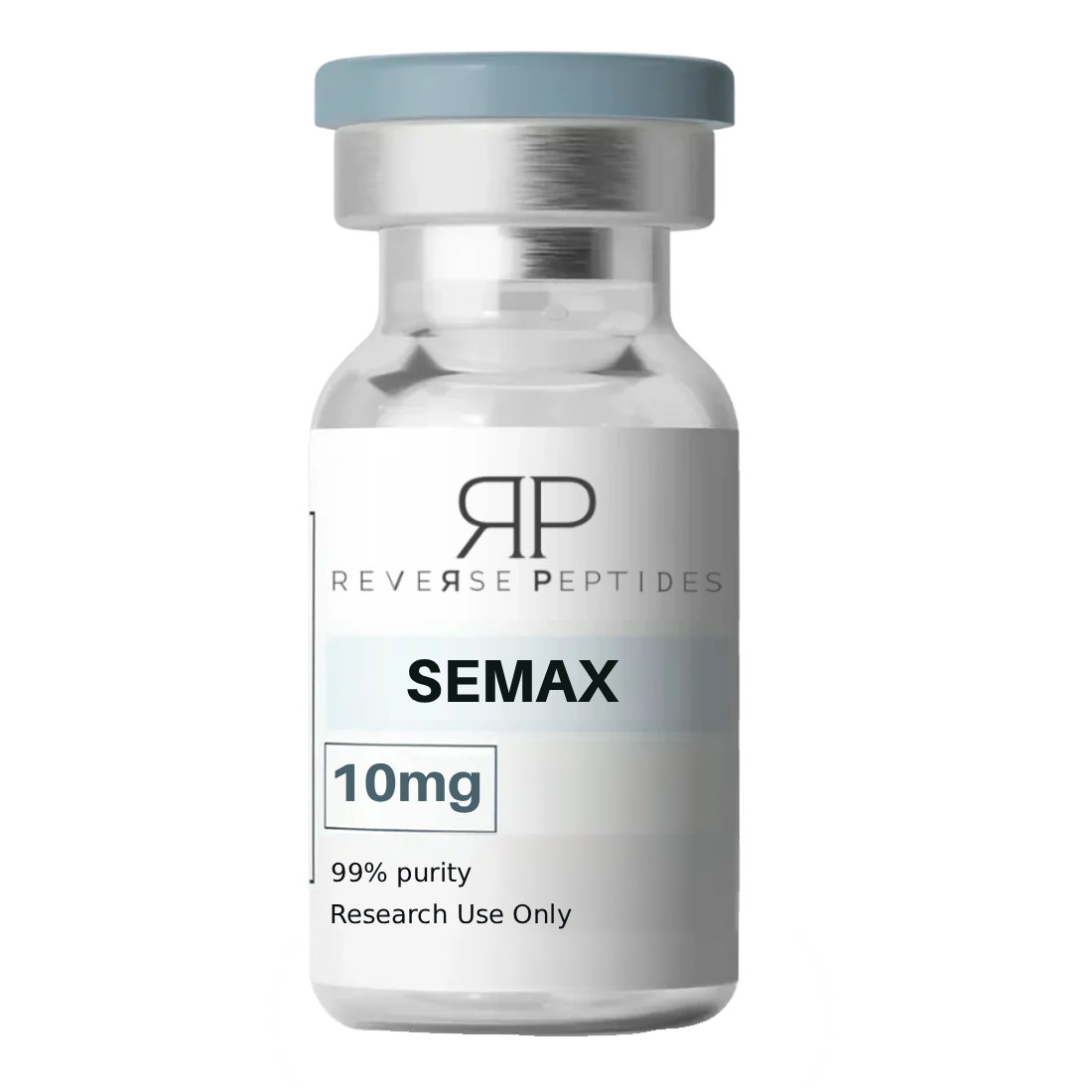
Semax 10 mg is a laboratory-grade research peptide chemical synthesized from the ACTH(4–10) fragment with a C-terminal Pro-Gly-Pro motif. This synthetic heptapeptide is designed for experimental use in neuroscience and molecular biology research. It is used in controlled studies to investigate neurotrophic signaling, neuronal plasticity, and transcriptional regulation within central nervous system (CNS) models.
Description
Overview
Semax 10 mg is a synthetic heptapeptide developed as a molecular tool for neuroscience research. By modulating pathways associated with neurotrophins such as BDNF and NGF, it allows researchers to examine transcriptional responses, monoaminergic signaling, and neuronal network activity under experimental conditions.
The peptide’s stable structure ensures reproducibility in in-vitro assays and select in-vivo preclinical studies. Researchers can buy Semax online to add to their research peptides collection for reliable laboratory investigations.
Research Applications
In laboratory research, Semax 10 mg is applied to study molecular and cellular mechanisms in neuroscience, including:
- Neurotrophin-related transcription– examining BDNF, NGF, and other gene-expression programs in CNS-relevant models
- Neuronal network dynamics– experimental imaging and systems-level assessments of brain connectivity
- Neurovascular and immune-related gene programs– genome-wide profiling of vascular and immune signaling pathways in brain tissues
- Learning and memory assays– rodent behavioral experiments to probe cognition-related molecular mechanisms
- Monoaminergic signaling studies– serotonergic and dopaminergic pathway analysis in preclinical models
- Oxidative stress research– evaluating redox balance and stress-induced molecular endpoints in experimental systems
These applications are strictly for laboratory research purposes and do not imply therapeutic or clinical use.
Purchase & Use
Semax 10 mg is available to buy online as a research-use-only (RUO) peptide chemical.
References (For Scientific Context)
- Ashmarin IP et al., Neurosci Behav Physiol, 1998
- Ashmarin IP et al., Neurochem J, 2005
- Dolotov OV et al., Brain Research Bulletin, 2011
You must be logged in to post a review.
Reviews
There are no reviews yet.